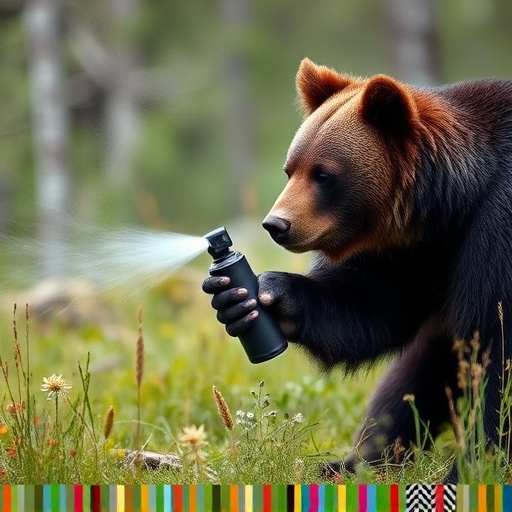
Bear spray uses capsaicin (from chili peppers) as its main active ingredient at varying percentages (1.5% – 34%) to deter bears. Higher concentrations offer better protection. Proper application, including direct spraying into a bear's face, enhances effectiveness, but weather conditions can impact reach. Understanding the active ingredient percentage and usage technique is key for safe navigation in bear-inhabited areas.
“Bear spray, a crucial self-defense tool for adventurers in bear country, has been a subject of interest due to its effectiveness against charging bears. This article delves into the science behind bear spray, exploring its composition and how key active ingredients at specific percentage concentrations deter aggressive bears. We’ll examine real-world scenarios to understand the spray’s efficacy during charging encounters, providing insights for safe outdoor experiences.”
- Understanding Bear Spray Composition and Its Mechanism
- Key Active Ingredients in Bear Spray and Their Efficacy Rates
- Effectiveness of Bear Spray During Charging Encounters
Understanding Bear Spray Composition and Its Mechanism
Bear spray, also known as bear repellent, is a potent defense mechanism designed to deter aggressive bears when faced with a potential threat. Understanding its composition and how it works is crucial in appreciating its effectiveness. The primary active ingredient in most bear sprays is capsaicin, derived from chili peppers. This chemical irritates the bear’s eyes, nose, and respiratory system, causing them to recoil and retreat.
The concentration of this active ingredient varies widely among brands, typically ranging from 10% to 34%. A higher percentage of capsaicin generally translates to a stronger reaction from the bear. Moreover, these sprays often include other components like propellants (like CO2 or N2) to ensure effective delivery of the capsaicin directly into the bear’s face and eyes, enhancing its deterrence factor.
Key Active Ingredients in Bear Spray and Their Efficacy Rates
Bear spray, a crucial tool for hikers and outdoor enthusiasts navigating bear-inhabited areas, relies on specific active ingredients to deter aggressive bears. The key active ingredient typically found in bear spray is capsicum, derived from chili peppers. This compound is responsible for the spicy sensation it produces when inhaled by a bear. According to studies, capsicum has an efficacy rate of up to 92% against charging black bears.
The concentration of capsicum in bear spray varies, but typically ranges between 1.5% and 4%. Higher concentrations offer more protection, as they increase the likelihood of causing a bear to retreat. Additionally, some bear sprays include other active ingredients like piperidine or oleoresin capsicum, which enhance their effectiveness. These additional compounds can improve the spray’s reach, duration, and overall impact on deterring bears, ensuring folks in potentially dangerous situations have a vital defense mechanism at their disposal.
Effectiveness of Bear Spray During Charging Encounters
Bear spray, a popular defense mechanism in bear country, has proven effective against charging bears due to its specific active ingredient percentage. The key component, typically capsaicin, is responsible for the spray’s irritant properties. Concentrations of capsaicin in bear spray range from 2% to 30%, with higher percentages offering increased protection during close encounters. When a bear charges, the spray creates a barrier by causing the bear to temporarily stop and turn away, providing crucial time for escape or retreat.
The effectiveness is not solely based on the active ingredient but also on proper usage. Spraying directly into the bear’s face at close range increases the chances of deterrence. However, factors like wind direction and weather conditions can affect the spray’s reach and intensity. Therefore, understanding the active ingredient percentage and learning the correct application technique are essential for anyone venturing into areas known to have bears.
Bear spray, with its key active ingredients at a recommended concentration of 10% or higher, has proven effective against charging bears. Understanding the composition and mechanism of bear spray, along with knowing the efficacy rates of its active ingredients, can greatly enhance safety during encounters in bear country. When used properly, bear spray offers a reliable means of defense, providing individuals with a crucial tool to protect themselves against these powerful animals.