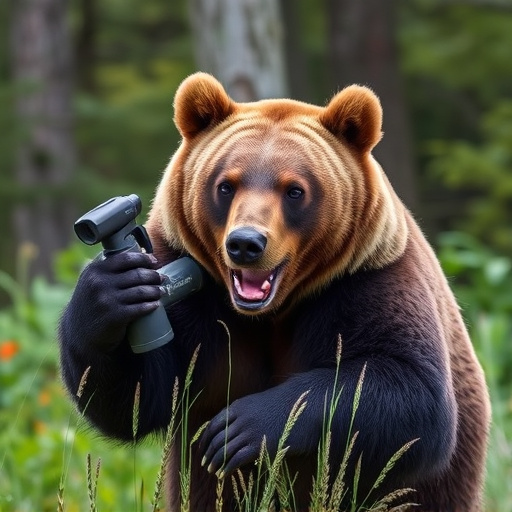
Bear spray, primarily composed of capsaicin (chili pepper extract), is a vital self-defense tool for individuals in bear country, effective due to its high active ingredient percentage (15% – 23%) that irritates bears. Maximum strength sprays contain up to 20% capsaicin, enhancing deterrence. The Capsaicin Active Ingredient (CAP) percentage, measured in parts per million (ppm), determines effectiveness against grizzly and black bears, with 15% – 25% CAP offering optimal protection. Regular testing, accessibility, and preventive measures like noise-making are crucial for safe bear encounters.
“Unraveling the power of bear spray, a crucial self-defense tool in wild encounters, especially with the potent active ingredient, capsaicin. This article delves into the science behind maximum strength bear spray and its effectiveness against aggressive bears. We demystify label claims, highlighting the significance of understanding the % of capsaicin as the key performance indicator. Learn about safety measures and best practices to ensure a responsible and effective use of this life-saving spray. Discover why knowing the active ingredient percentage is vital for your survival in bear country.”
- Understanding Bear Spray: A Vital Self-Defense Tool
- The Science Behind Capsaicin: What is Maximum Strength?
- Decoding Label Claims: Active Ingredient Percentage Explained
- How Effective is Bear Spray with High Capsaicin Concentration?
- Safety Measures and Best Practices for Using Bear Spray
Understanding Bear Spray: A Vital Self-Defense Tool
Bear spray, also known as bear repellent, is a crucial self-defense tool for individuals venturing into bear country. It’s designed to deter aggressive bears when used properly. The primary active ingredient in most bear sprays is capsaicin, a compound found in chili peppers that causes irritation and pain. The effectiveness of bear spray lies in its high capsaicin concentration—typically ranging from 15% to 23%. This potent active ingredient creates a temporary but intense burning sensation in the bear’s eyes, nose, and throat, allowing individuals to create distance from potential threats.
Understanding how bear spray works is essential for anyone planning outdoor activities in areas known for bear populations. While it doesn’t always guarantee a safe encounter, bear spray offers a critical window of opportunity for escape or deterrence. The high capsaicin percentage ensures its effectiveness against various bear species, making it a vital tool for hikers, campers, and wildlife enthusiasts to protect themselves from unexpected bear encounters.
The Science Behind Capsaicin: What is Maximum Strength?
The active ingredient in bear spray is capsaicin, a chemical compound found in chili peppers. What distinguishes maximum strength bear spray from its milder counterparts is the percentage of this active ingredient it contains. Typically, bear spray formulations range from 6% to 10% capsaicin, but maximum strength varieties boost this concentration up to 20%.
This higher concentration means that when sprayed directly onto an aggressor bear’s face or eyes, the capsaicin irritates and disorients the animal, providing the user with precious time to escape. The science behind capsaicin’s effectiveness lies in its ability to interfere with a bear’s sensory perception, temporarily blinding and overwhelming their sense of smell, which is crucial for detecting potential threats.
Decoding Label Claims: Active Ingredient Percentage Explained
When shopping for bear spray, one of the most crucial factors to understand is the active ingredient percentage. This isn’t just about the concentration—it’s a key indicator of the spray’s effectiveness against bears. The active ingredient in bear spray is usually capsaicin, derived from chili peppers. The percentage represents the concentration of this capsaicin, measured in parts per million (ppm).
A higher ppm signifies more capsaicin, which translates to potentially greater bear deterrence capabilities. Bear spray labels often claim maximum strength or specific percentages like 2% or 4%. These claims are regulated, ensuring consumers receive accurate information. Understanding these numbers allows you to make informed decisions when choosing bear spray tailored to your needs and the bear threat level in your area.
How Effective is Bear Spray with High Capsaicin Concentration?
Bear spray with a high capsaicin concentration can be incredibly effective in deterring bears, especially grizzly bears and black bears. The active ingredient, capsaicin, is found in chili peppers and works by targeting the bear’s sensory receptors, specifically those responsible for pain and heat perception. When sprayed directly onto the bear’s face and eyes, it causes a strong inflammatory response, temporarily blinding and disorienting the animal. This disruption can give you precious time to escape or defend yourself.
The effectiveness of bear spray is measured in part by the percentage of capsaicin active ingredient (CAP) it contains. A higher CAP percentage means more intense irritation and better protection. Typically, bear spray with 15% to 25% CAP has shown remarkable results in real-world scenarios. This concentration ensures that even in high-stress situations, the spray will activate quickly and effectively, creating a barrier between you and potential bear encounters.
Safety Measures and Best Practices for Using Bear Spray
Using bear spray can be an effective deterrent and a valuable tool for personal safety in bear country, but it should be used responsibly and with proper precautions. It’s important to understand that bear spray is designed to temporarily incapacitate or deter bears, not kill them. The primary active ingredient in most bear sprays is capsaicin, the same compound found in chili peppers. Bear spray typically contains a 20% capsaicin solution, which is considered the maximum strength for effective bear deterrent use.
To ensure safety and maximize effectiveness, follow these best practices: always check the expiration date of your bear spray; test the spray regularly to make sure it is still functioning properly; keep bear spray easily accessible, yet out of children’s reach; be aware of the distance and angle when deploying the spray; and never surprise a bear. Remember that prevention is key—loud noises, carrying bear spray, making yourself appear larger, and traveling in groups can all deter bears from approaching.
Bear spray, particularly those with high capsicum (capsaicin) concentrations, offer a powerful defense against bear encounters. Understanding the science behind capsaicin and how it interacts as the primary active ingredient in bear spray is key to maximizing its effectiveness. When selecting bear spray, paying attention to the labeled active ingredient percentage ensures you’re equipped with the best protection. Always follow safety measures and best practices for optimal results, making informed choices based on knowledge of the product’s components, including the crucial bear spray active ingredient percentage.